

iPhone 18 gaming is no longer a rumor story, because the phone at the center of it is already on sale. Apple announced the iPhone 18 Pro and iPhone 18 Pro Max on September 9, 2026, opened pre-orders on September 12, and put both phones on sale on Friday, September 18, 2026. The A20 Pro chip inside them is real, the vapor chamber cooling is real, and independent testers have already measured both. What is still unannounced is the standard iPhone 18, which Apple has not shown at all. Reporting points to a spring 2027 launch for that model, alongside the iPhone 18e and a second generation iPhone Air, but nothing about it is confirmed. This guide keeps the two halves separate: confirmed facts and measured results for the Pro models you can buy today, and clearly labelled reports about the standard model that is still months away.
The quick answer is that the iPhone 18 Pro is a meaningful gaming upgrade, and the biggest gains are in sustained performance, not peak speed. Apple claims up to 20 percent faster CPU performance, up to 40 percent faster graphics, and up to 40 percent better sustained performance than the A19 Pro, and independent testing backs up the direction of those claims, with one important surprise: the larger Pro Max holds its speed far better than the smaller Pro in long stress tests. If you play AAA ports for hours, the Pro Max is the phone to look at. If you play in shorter sessions, the regular Pro is already a big step up from the iPhone 17. And if you were waiting for a cheaper standard iPhone 18, the wait is now a spring 2027 question, not a September question.
iPhone 18 Gaming at a Glance
The table below is the whole story in one place. The left column is confirmed fact about the iPhone 18 Pro, taken from Apple’s own announcement. The right column is reports only, because Apple has announced no standard iPhone 18 at all. Every cell about the standard model carries a reported label.
| Feature | iPhone 18 Pro (Confirmed, On Sale Now) | Standard iPhone 18 (Reported Only) |
|---|---|---|
| Chip | A20 Pro | Reported: A20 (not the Pro version) |
| Chip process | 2nm TSMC process | Reported: 2nm TSMC process |
| CPU | 6-core CPU | Reported: 6-core CPU |
| GPU | 7-core GPU | Reported: 5-core GPU |
| Neural Engine | Dual 16-core Neural Engine, 32 cores total | Reported: unconfirmed |
| RAM | Apple does not publish RAM figures | Reported: 9GB or 12GB, reports differ |
| Display | 6.3-inch OLED, 120Hz ProMotion, smaller Dynamic Island | Reported: 120Hz ProMotion expected |
| Cooling | Next-generation vapor chamber, 3 times the surface area of iPhone 17 Pro | Reported: unconfirmed whether the standard model gets a vapor chamber |
| Launch | Announced September 9, 2026, on sale September 18, 2026 | Reported: March or April 2027 |
| Price | From $1,199 (Pro), from $1,299 (Pro Max) | Reported: around $899, no price announced |
| Storage | 256GB, 512GB, 1TB, 2TB | Reported: 256GB base expected |
| Battery | Up to 36 hours video playback (Pro), up to 45 hours (Pro Max) | Reported: no battery figure yet |
Two warnings belong right under this table. First, there is no standard iPhone 18 yet, so any specification, price, or date attached to it is a report, not a fact. Reports differ on the RAM, with Ming-Chi Kuo pointing to 9GB and Jeff Pu pointing to 12GB, and the chip is described in some reports as the A20 while other reports leave it unconfirmed. Second, the Pro models are a separate purchase from the standard model. The Pro starts at $1,199, which is $400 more than the iPhone 17 base price of $799. If your budget is closer to $800, the phone to compare is the iPhone 17, which is on sale today, or the standard iPhone 18 when it arrives in spring 2027.
The iPhone 17 remains the value baseline, and our iPhone 17 gaming guide covers what that phone actually does in real games, with reported frame rates and heat measurements. Read that guide first if you are comparing a phone you can buy today against a standard iPhone 18 that only exists in reports. The rest of this guide keeps the two separate: confirmed facts and measured results for the iPhone 18 Pro, and clearly labelled reports about the standard iPhone 18.
What Is Confirmed and What Is Still a Report
Good buying advice starts with sorting claims into three piles: confirmed, reported, and thin. Confirmed means Apple said it or shipped it. The iPhone 18 Pro launch date, the A20 Pro chip, the 2nm process, the 7-core GPU, the vapor chamber, the prices, and the storage options are all confirmed. Reported means several independent outlets or analysts with a track record point the same way. The spring 2027 launch window for the standard iPhone 18, the A20 chip name, and the 9GB versus 12GB RAM debate fall in this pile. Thin means one unverified post, a vague social media claim, or a number with no source at all. Most supposed benchmark scores and battery capacities for the standard iPhone 18 fall in this pile, and this guide does not repeat them as if they mean anything.
The most widely reported claim about the standard model is the split launch. Multiple reports say Apple plans to introduce the standard iPhone 18, the iPhone 18e, and a second generation iPhone Air in spring 2027, most likely March or April. That would complete the split that started in September 2026, when Apple launched only the two Pro models and its first foldable, the iPhone Duo. The reason given in reporting is production and scheduling, not gaming, but it matters for gamers because it changes the waiting game. A player who wants the cheaper standard iPhone 18 could be waiting months longer than a player who buys a Pro model today. Until Apple confirms a date, treat any spring month as a report, and do not plan a purchase around it.
The second widely reported claim is the A20 chip for the standard model. Reporting describes it as a scaled down version of the A20 Pro, built on the same 2nm process, with a 6-core CPU and a 5-core GPU. That is plausible, because Apple has used a cut down chip in its standard models before, but it is not confirmed, and the RAM attached to it is genuinely disputed. One analyst says 9GB, another says 12GB, and both cannot be right. This guide reports the disagreement instead of picking a side, because picking a side would be guessing.
The third pile, the thin claims, deserves a blunt warning. Social media posts that quote an exact battery capacity in milliamp hours for the standard iPhone 18, an exact benchmark score, or an exact camera specification are almost always guesses dressed up as leaks. Apple does not publish iPhone battery capacities in its consumer spec sheets, and no benchmark score can exist for a phone that has not shipped to testers. If a claim has no named source, no document, and no track record behind it, this guide leaves it out. That discipline is what keeps a buying guide useful instead of turning it into a wish list.
One more distinction matters for this guide. Everything confirmed in this article applies to the iPhone 18 Pro and iPhone 18 Pro Max. Where a claim clearly applies to the standard iPhone 18 only, this guide says so and labels it as a report. Confusing a confirmed Pro fact with a standard model report is the easiest way to be disappointed in spring 2027.
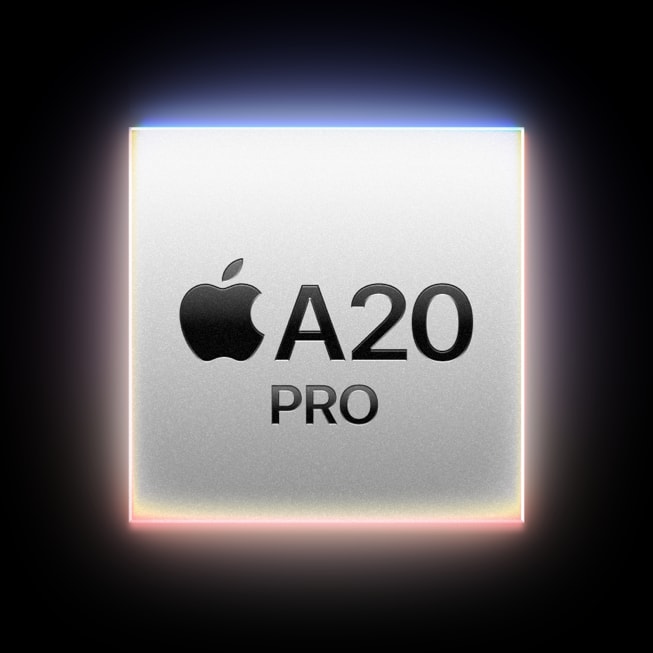
The A20 Pro Chip
The chip is the heart of iPhone 18 gaming, because it decides how fast games load, how smooth they run, and how long the phone stays fast before heat slows it down. Here is what Apple confirmed, with each claim tied to the announcement.
A 2nm Process, Confirmed
The A20 Pro is built on TSMC’s 2nm process, a step down from the 3nm class process used for the A19 family, and it is the first 2nm chip inside a smartphone sold in the United States. A smaller process node generally lets a chipmaker fit more transistors into the same space and run them with less wasted power. In plain terms, the chip can do more work per watt, which is exactly what a phone needs, because a phone has a small battery and almost no room for cooling. Apple claims the 6-core CPU is up to 20 percent faster than the A19 Pro.
What the 2nm process does not prove on its own is any specific frame rate. Process node names are marketing labels as much as engineering facts, and a 2nm chip is not automatically twice as fast as a 3nm chip. The useful way to read the confirmed process change is as a direction, not a measurement: Apple moved to a newer, more efficient process, and that helps both speed and battery life. How much it helps in a real game is answered by the independent tests in the next section, not by the process name.
A Seventh GPU Core, Confirmed
The A20 Pro has a 7-core GPU, up from 6 cores in the A19 Pro, and Apple claims it is up to 40 percent faster in graphics than the A19 Pro. That claim was foreshadowed before launch by a leak reported in early September 2026, based on a purported solder joint diagram posted on the Chinese social network Weibo, which pointed to seven GPU cores and a wider memory interface. The leak turned out to be right about the core count, and Apple has now confirmed the chip itself, so the speculation is over. You can read Apple’s own announcement in the Apple iPhone 18 Pro press release.
A seventh GPU core matters for gaming because the GPU does the heavy work in 3D games: drawing geometry, shading surfaces, and rendering lighting and reflections. One more core is about a 16 percent increase in core count on its own, which is a solid but not dramatic jump. The bigger story is the memory change, because graphics performance is often limited by how fast data moves between the chip and memory, not by how many cores the chip has.
Faster Memory, Confirmed
Apple confirmed that the A20 Pro has 50 percent more memory bandwidth than the A19 Pro, and it uses a new custom packaging method, inspired by Apple’s M-series chips, that places the memory beside the processor die instead of on top of it. Putting the memory beside the die takes it out of the chip’s thermal path, which means the memory stays cooler and the chip can attach directly to the vapor chamber. More bandwidth means the GPU spends less time waiting for textures and scene data, which is often what causes stutter in a busy 3D scene. For players, that should mean smoother frame rates in open world games and fewer sudden dips when a lot happens on screen at once.
This is the chip change with the most direct gaming payoff. A faster chip with starved memory still stutters. A chip with a wider, faster path to memory can hold its speed longer in the scenes that stress phones most. The earlier leak also pointed to a specific 96-bit memory interface width, but Apple never confirmed that number, so this guide does not quote it as fact. What Apple did confirm, 50 percent more bandwidth and memory placed beside the die, is enough to explain the gaming gains testers measured.
What the Confirmed Chip Means for Real Games
With the A20 Pro confirmed, the practical gaming gains show up in three places. First, AAA ports like Resident Evil 4, Death Stranding, and Assassin’s Creed Mirage can hold higher frame rates for longer, because the chip and memory upgrades attack exactly the limits those games hit on the iPhone 17. Second, games with hardware ray tracing can render reflections and lighting with less of a performance cost, since the GPU has more cores and more bandwidth to spend on it. Third, future games built for the new chip can use higher settings by default, instead of asking players to choose between smooth play and good looking graphics.
What the confirmed chip does not do is just as important. It does not turn the iPhone into a gaming PC. Phone games still render at lower internal resolutions than PC games and lean on upscaling, and a phone screen is still about 6 inches wide. It does not guarantee 120 frames per second in every game, because most AAA ports cap their frame rate at 30 frames per second by design, and a faster chip cannot raise a cap the developer set. And it does not remove heat from the equation. A faster chip that runs hotter still throttles, which is why the cooling section below matters as much as the chip itself.
Real Gaming Test Results What Testers Have Measured
The iPhone 18 Pro has been on sale since September 18, 2026, so independent testers have already measured it, and their numbers are far more useful than any pre-launch estimate. The clearest set comes from Tom’s Guide, which ran its full benchmark suite on both new Pro phones and published the results in September 2026. Here is what they found.
| Test | iPhone 18 Pro | iPhone 18 Pro Max | iPhone 17 Pro | iPhone 17 Pro Max |
|---|---|---|---|---|
| Geekbench 6 single-core | 4,735 | 4,741 | 3,834 | Not reported |
| Geekbench 6 multi-core | 12,800 | 12,789 | 9,988 | Not reported |
| 3DMark Solar Bay Unlimited | 61.93 fps, 16,288 points | 67.9 fps, 17,850 points | 46.4 fps, 12,208 points | 46.6 fps, 12,260 points |
| 3DMark Wild Life Extreme stability | 62.8 percent | 79.4 percent | 61.1 percent | 65.2 percent |
The graphics result is the one that matters most for games. In 3DMark Solar Bay Unlimited, a demanding ray tracing graphics test, the iPhone 18 Pro averaged 61.93 frames per second, about 33 percent faster than the iPhone 17 Pro at 46.4 frames per second. The iPhone 18 Pro Max did even better at 67.9 frames per second, about 45 percent faster than the iPhone 17 Pro Max. Those are synthetic benchmark frame rates, not frame rates inside a real game, but they measure the same GPU work that games do, so they are a fair guide to the graphics headroom the A20 Pro adds.
The sustained performance result is the honest surprise in the data. In the 3DMark Wild Life Extreme stress test, which loops a graphics test 20 times in a row to see how much speed survives once the phone heats up, the iPhone 18 Pro Max kept 79.4 percent of its peak performance, up from 65.2 percent on the iPhone 17 Pro Max. The smaller iPhone 18 Pro, though, kept only 62.8 percent, barely better than the 61.1 percent its predecessor managed. Both phones have the same A20 Pro chip and the same redesigned vapor chamber, so the gap comes down to size: the larger Max body spreads heat better and holds its speed longer. If you play for an hour at a time, that difference is worth more than any peak benchmark number. You can read the full test data in the Tom’s Guide iPhone 18 Pro benchmarks.
One honest gap remains in the evidence. As of this writing, no published test has measured per-game frame rates on the iPhone 18 Pro, such as Resident Evil 4 running at a specific frame rate for a full session. The benchmark numbers above tell you the chip is much faster and, on the Pro Max, much better at holding that speed, but they do not tell you exactly how many frames per second a particular game will deliver. This guide says that plainly instead of inventing a game frame rate. When testers publish real game measurements, those numbers will matter more than any benchmark, because a benchmark runs for minutes and a gaming session runs for an hour.
iPhone 18 Gaming Display
The display story for the iPhone 18 Pro is a refinement, not a reinvention, and that is actually good news for gamers. Both Pro models keep the winning formula from the iPhone 17 Pro: a 120Hz ProMotion OLED display, with the same smooth motion and responsive touch. The confirmed change is a smaller Dynamic Island, the pill shaped cutout at the top of the screen, which Apple redesigned so it can now show up to three Live Activities at once. A smaller cutout means slightly more usable screen in landscape play, where the Dynamic Island sits on the side of the play area, and the extra Live Activities are handy for keeping a timer or a score visible while you play.
The more important display question is what does not change. A 120Hz screen can show up to 120 frames per second, but the game decides how many frames it renders. That rule stays true on the iPhone 18 Pro. Many AAA ports cap at 30 frames per second, and competitive titles usually stop at 60 or 90 frames per second, so the extra headroom of a 120Hz panel only shows up in the handful of games that actually render that fast. A display upgrade cannot create frames a game never renders. What the 120Hz display does give you, on any iPhone that has it, is smoother motion in the games that do support high frame rates, plus smoother scrolling and camera movement everywhere else. Our best gaming monitor guide explains the same refresh rate and frame rate relationship on desktop, and the phone follows the same rule.
Brightness is the other display factor that affects real gaming, and Apple has not published a new peak brightness figure for the iPhone 18 Pro. The iPhone 17 display is rated at up to 3,000 nits peak brightness outdoors, which keeps the screen readable in direct sunlight, and the iPhone 18 Pro display is the same class of panel, so outdoor play stays comfortable. Screen sizes are confirmed at 6.3 inches for the Pro and 6.9 inches for the Pro Max, the same as the iPhone 17 Pro models. For the standard iPhone 18, reporting points to the same 120Hz ProMotion display, but that is a report, not a confirmed fact.
For players, the display verdict is simple. The iPhone 17 Pro already had the 120Hz screen that matters most, and the iPhone 18 Pro refines it with a smaller cutout. If display quality is your main reason for buying, the Pro Max gives you the biggest screen, and the regular Pro gives you the same screen quality in a smaller body. Neither is a reason to wait for the standard model on its own.
Cooling and Sustained Performance The Vapor Chamber Upgrade
On the iPhone 18 Pro, heat decides how long the A20 Pro can hold its speed, and that is what the vapor chamber is for. The chip can run flat out only while its temperature stays in check, and a sealed glass phone gives heat almost nowhere to go. Once the A20 Pro gets too hot, iOS pulls its clocks back, so a session that opens at full speed can end up stuttering in its second half. Tom’s Guide measured exactly that split: the Pro Max held 79.4 percent of its peak speed through a 20-loop stress test, while the smaller Pro kept only 62.8 percent. Same chip, same vapor chamber design, different body size, and the larger phone is the one that stays fast.
Apple gave the iPhone 17 Pro a vapor chamber that pulls heat away from the chip and spreads it through the aluminum frame, and testers found the phone stayed out of the danger zone during Resident Evil 4 where older Pro iPhones struggled. The base iPhone 17 has no vapor chamber claim from Apple, and reviewers noticed it getting noticeably warm about twenty minutes into heavy games. That split is the baseline the iPhone 18 Pro builds on.
Apple confirmed that the iPhone 18 Pro models have a redesigned next-generation vapor chamber with three times more surface area than the one in the iPhone 17 Pro, and that the A20 Pro attaches directly to it because the memory now sits beside the die instead of on top of it. Apple claims the new cooling system delivers up to 40 percent better sustained performance than the previous generation. That is a confirmed design change and a manufacturer claim, and the independent test data tells you how much of it shows up in practice: a lot on the Pro Max, and only a little on the smaller Pro. In Tom’s Guide’s 20-loop stress test, the Pro Max held 79.4 percent of its peak performance, up from 65.2 percent on the iPhone 17 Pro Max, while the smaller Pro held 62.8 percent, up from 61.1 percent. The vapor chamber is three times larger in both phones, but the bigger body is what turns that cooling into sustained speed.
Why does this matter more than the chip numbers? Because peak performance is just a number on a spec sheet, while sustained performance is what you get in real life when you are playing with a controller in your hands forty minutes into a session. All phones run fast at the start. The ones that slow down by the twenty minute mark are the ones that leave you in the middle of a boss fight with a stuttering screen. The iPhone 18 Pro Max is the first iPhone where long AAA sessions feel close to as smooth in the second hour as they do in the first ten minutes. The smaller Pro is faster than the iPhone 17 Pro, but its sustained performance gain is small, so long-session players should think carefully about which size to buy.
There are honest limits to the cooling story too. First, the vapor chamber is confirmed for the Pro models only, and it is not clear whether the standard iPhone 18 will get the same cooling when it arrives in spring 2027. The base iPhone 17 has no vapor chamber at all, so a standard iPhone 18 with the same setup would still warm up in long sessions, even with a faster chip. Second, a vapor chamber spreads heat, it does not remove it. In a hot room, or in direct sun, or inside a thick case, even the best phone cooling struggles. Third, cooling depends on the finished phone, the finished software, and real game loads, so the stress test numbers above are a guide, not a promise for every game.
The vapor chamber helps, but a few habits still decide how a long session ends on the iPhone 18 Pro. Slip the phone out of a bulky case before you settle in for an hour, since a thick case traps the warmth the chamber is trying to spread. Charge the phone first and play unplugged, because a fast charger pours extra warmth into the same small body the game is already heating. Shade beats sunlight for the same reason: a phone baking on a sunny bench starts the session already warm. And judge the cooling after forty minutes of play, not after five, because every phone feels fine at the start and only the second half of a session shows whether the A20 Pro is still holding its speed. These habits helped on the iPhone 17, and the same physics applies to the iPhone 18 Pro.
Battery Life While Gaming What the Numbers Say
Battery numbers are where phone guides most often mislead, because a video playback figure gets quoted as if it described gaming. It does not. Apple rates the iPhone 18 Pro at up to 36 hours of video playback and the Pro Max at up to 45 hours, but those numbers describe a phone showing video at a steady brightness, not a phone running a 3D game. A game pushes the A20 Pro’s CPU and GPU hard, lights the whole display, and keeps the C2 modem talking to a server, so it empties the battery far faster than a video does. Apple has published no gaming battery figure for any iPhone, so there is no official number to quote for gaming hours on the iPhone 18 Pro either.
What Apple did confirm is a large battery leap on paper. The iPhone 18 Pro delivers up to 36 hours of video playback, and the iPhone 18 Pro Max delivers up to 45 hours, the largest battery life increase ever on an iPhone according to Apple. The Pro Max also delivers up to 30 hours of typical usage on a full charge, and the smaller Pro matches the battery life of the iPhone 17 Pro Max with up to 24 hours of typical usage. A 2nm chip that wastes less power, plus a bigger cell, should add real gaming time, even if no one can say how many minutes until testers run heavy games on a full charge. The battery story is helped by the new C2 modem, confirmed by Apple, which uses 15 percent less energy than the previous modem while delivering faster uploads. A modem does not render frames, so it will not change your frame rate. What it can change is how consistently the phone talks to a game server during online play, and how much power the radio uses while doing it. For online games, a steadier connection matters more than a slightly faster one, because a lag spike loses fights that a smooth connection wins.
Battery health is the longer term question players ask most, and the iPhone 18 Pro faces the same physics as the iPhone 17. A lithium battery loses capacity faster when it spends long stretches hot and full, and a heavy gaming session does both at once: it warms the phone and it burns through charge cycles. The habits that protect the battery are the same ones that protect frame rates: top the phone up before you play instead of gaming on a fast charger, keep it out of a hot car or strong sun, and switch on the 80 percent charge limit in iOS if you usually charge overnight. If the battery health screen still reads around 90 percent after a year of regular play, that is normal wear. A phone that drops much faster after months of hot, plugged in sessions is showing you how it was treated, not a fault in the battery itself.
Charging speed is confirmed faster on the iPhone 18 Pro: Apple says it can charge to 50 percent in around 15 minutes over a wired connection, or up to 50 percent in 30 minutes wirelessly, and five minutes of wired charging on the Pro Max provides around seven hours of video playback. Faster charging is convenient, but it also creates more heat, and heat is the enemy of both sustained performance and battery health. The smart way to use it is for quick top ups between sessions, not for charging while you play. Charge first, then play unplugged. That order keeps the phone cooler and the battery healthier, and it costs you nothing.
The honest summary on battery is short. The iPhone 18 Pro has a larger battery and a more efficient chip, which should mean longer gaming sessions than the iPhone 17 Pro. How much longer is unmeasured in real games, and no one can give you a real number until testers run it through heavy games on a full charge. Anyone who quotes an exact number of gaming hours for the iPhone 18 Pro today is guessing.
Gaming Features and Software What to Expect
Hardware gets the headlines, but software decides what the hardware can actually do in games. The iPhone 18 Pro ships with iOS 27, and the gaming features in that software matter as much as the chip. Here is what is confirmed about the software, and what is still only reported.
Game Mode is confirmed on current iPhones, and it carries over to the iPhone 18 Pro. In iOS 27 it gives the game priority over background work and cuts latency for a paired controller and wireless audio. It starts by itself when you open a game. That is a small feature with a big effect in competitive play, because a background app stealing chip time in the middle of a ranked match is the kind of problem you feel but cannot see. Make sure Game Mode stays on in iOS 27, and swipe away heavy apps before a ranked match so nothing competes with the game for the A20 Pro.
Apple Intelligence features are also part of the gaming picture, though not in the way most articles describe them. The A20 Pro includes a Dual 16-core Neural Engine with 32 cores total, which Apple says delivers double the AI processing power of the A19 Pro. That headroom is aimed at on device AI features first, and gaming second. Where it could help players is in features like smarter background processing, better voice control, and AI tools that run without sending data to a server. What it will not do is magically make games run faster. AI features and game frame rates use different parts of the chip, and a faster Neural Engine does not raise a game’s frame rate cap.
The more interesting software story for players is the game catalog itself. Apple’s tools for bringing PC and console games to iPhone keep improving, and the AAA catalog on iPhone today, Resident Evil, Death Stranding, Assassin’s Creed Mirage, and CONTROL, exists because Apple invested in ports for years. If studios keep bringing console style games to iPhone, the iPhone 18 Pro will have more to show off than the iPhone 17 does today. But that catalog grows slowly, one port at a time, and it is the games, not the chip, that decide whether an upgrade is worth it. Buy the phone for the games that exist, not for the games you hope will arrive.
Trending games right now show where mobile gaming is heading. PUBG Mobile Flash launched worldwide on November 13, 2026, and reached number one on the US iPhone charts the next day, with a smaller download aimed at lighter phones. The dark fantasy action RPG UnGodly launched worldwide on November 11, 2026, and is built to run at up to 120 frames per second on newer iPhones. Football Manager 27 Touch arrived on Apple Arcade on November 10, 2026, with an upgraded match engine redesigned for iPhone. These are the games an iPhone 18 Pro buyer would actually play in its first months, and they show the two directions mobile gaming is pulling: lighter, faster battle royale games that run on anything, and heavier console style games that reward a faster chip and a better screen. The iPhone 18 Pro is built for the second direction, but the iPhone 17 already handles the first one easily.
Apple Arcade is worth a mention for players weighing a purchase. The service keeps adding console style games, and several of the biggest recent additions run best on newer hardware. But Arcade is a subscription, not a reason to buy a specific phone. If you already pay for it, the iPhone 17 runs its catalog well. If you do not, the iPhone 18 Pro will not change that calculation.
What Games Will Run on the iPhone 18 Pro
The iPhone 18 Pro runs the same games the iPhone 17 runs today, because Apple does not remove games from the App Store when a new phone launches. The full current catalog of AAA iOS ports, Resident Evil 4 Remake, Resident Evil Village, Death Stranding, Assassin’s Creed Mirage, and CONTROL, is there on day one, alongside Genshin Impact, Call of Duty Mobile, PUBG Mobile, and the rest of the competitive mobile catalog. The question is not whether they launch. It is how they run, and at what settings, over a full session.
The confirmed chip and the measured benchmark gains point to a real improvement in the AAA ports. On the iPhone 17 Pro, reported test figures put Resident Evil 4 at around 52 frames per second on average, with up to 60 frames per second possible through config tweaks, while Death Stranding and Assassin’s Creed Mirage run lower and stay near their 30 frames per second caps. Those are the iPhone 17 numbers, from independent testers, and they are the baseline. The iPhone 18 Pro scored about 33 percent higher than the iPhone 17 Pro in Tom’s Guide’s ray tracing graphics test, which suggests Resident Evil 4 could hold closer to a locked 60 frames per second, and Assassin’s Creed Mirage could hold its 30 frames per second cap with higher graphics quality instead of dipping below it. Those are reasonable expectations based on measured benchmark gains, not promises, and no published test has yet measured the actual frame rate of these games on the iPhone 18 Pro. The real numbers will depend on the finished software and the settings each game uses, and this guide will not invent them.
For the everyday games most people actually play, the picture is simpler, and the iPhone 18 Pro matters less. Genshin Impact, Call of Duty Mobile, and PUBG Mobile already run at high settings with smooth frame rates on the base iPhone 17. A faster chip will not change how those games feel very much, because they are not limited by the chip on current hardware. They are limited by the game’s own frame rate cap and by heat in very long sessions. The Pro Max, with its much better sustained performance score, could help in a two hour session, but a thirty minute session on the iPhone 17 already feels fine.
The games to watch are the ones that have not launched yet. UnGodly, the dark fantasy action RPG that launched on November 11, 2026, is built to run at up to 120 frames per second on newer iPhones, and it is the kind of game that rewards a faster GPU and a 120Hz screen. Monster Hunter Outlanders, shown running on new iPhone hardware during launch season, is another console style game aimed at phones. If studios keep bringing console style games to iPhone, the iPhone 18 Pro will have more to show off than the iPhone 17 does today. But that catalog grows slowly, one port at a time, and it is the games, not the chip, that decide whether an upgrade is worth it. Buy the phone for the games that exist, not for the games you hope will arrive.
One more honest point: a phone will never match a PC on screen size, controls, or raw power, and the iPhone 18 Pro does not change that. A 6-inch screen is a 6-inch screen, touch controls are still touch controls, and a phone chip still shares its cooling with a battery in a sealed glass slab. The iPhone 18 Pro is a better phone for gaming, not a replacement for a gaming PC. Players who want the biggest screen and the most settings control should still look at a PC, and our best tablet for gaming guide covers the middle ground, a larger screen that holds high frame rates in long sessions.
Best Settings for iPhone 18 Gaming
The iPhone 18 Pro is fast enough that the best settings are about protecting frame rate stability and battery, not about squeezing out more power. These settings work on the iPhone 18 Pro today, and the same ones applied on the iPhone 17.
First, switch on Game Mode in iOS 27 and leave it there. It gives the game priority over background work and cuts latency for a paired controller and wireless audio. It starts by itself when you open a game, so check that it has not been turned off, and swipe away heavy apps before a ranked match so the A20 Pro is working for the game alone.
Second, choose the frame rate cap inside each game with session length in mind. Sixty frames per second is the sensible target for most games on the iPhone 18 Pro: fluid enough to feel great, light enough for the vapor chamber to hold through a full session. Ninety or 120 frames per second looks sharper in the opening minutes and asks far more of the chip and the battery, so keep those modes for short competitive rounds rather than a two hour grind. In AAA ports, accept the 30 frames per second cap the developers set. Pushing past it with config tweaks can lift the frame rate, but it also piles on heat, and the game was balanced around the cap.
Third, run heavy games on High instead of Maximum. On a 6.3-inch screen the visual step down is hard to spot, while the savings in heat and battery are easy to feel. Shadows and reflections are the most expensive effects for the least visible return on a phone display, so lower those first when a game stutters.
Fourth, use a controller wherever the game allows it. Touch controls are the weakest part of phone gaming, and a proper controller transforms how it feels. Connect it before you start the game, not after the match begins. A controller also keeps your thumbs off the glass, so the display stays clear and your hands stop warming the back of the phone.
Fifth, sort out your audio. Wireless earbuds are convenient, but the standard Bluetooth connection adds a delay you notice the moment you play a shooter. Switch on the low latency gaming mode if your earbuds offer one, or use a wired USB-C connection for ranked play. Our wireless earbuds for gaming guide rates earbuds by latency and names the ones to skip for competitive play, while our best headphones for gaming guide looks at over ear options for long sessions at home.
Two more habits round it out. Leave brightness on auto instead of pinning it at maximum, because the screen draws more power than anything except the chip. And use Wi-Fi when it is available, because a weak cellular signal forces the C2 modem to work harder, which adds heat and drains the battery faster while the game is already running. None of these settings needs a new phone, and all of them make the iPhone 18 Pro play better too.
iPhone 18 Pro vs iPhone 17 Which Is the Better Gaming Phone
This is now a comparison between two phones you can buy today, so the answer can be a verdict, not a bet. On paper and in testing, the iPhone 18 Pro beats the iPhone 17 Pro in every gaming area that matters: a newer chip, one more GPU core, 50 percent more memory bandwidth, a larger vapor chamber, and a bigger battery. The measured gap is real: about 33 percent faster in the ray tracing graphics test, and on the Pro Max, a much stronger sustained performance score of 79.4 percent against 65.2 percent. The smaller Pro is the exception to the sustained story, with only a small gain from 61.1 percent to 62.8 percent, so size matters this year in a way it did not before.
What the iPhone 17 has, and the iPhone 18 Pro does not, is a lower price. The base iPhone 17 starts at $799, while the iPhone 18 Pro starts at $1,199. That $400 gap buys the confirmed chip, cooling, and battery gains, but it does not buy a new game catalog. Both phones run the same AAA ports, the same competitive games, and the same Apple Arcade titles. The iPhone 17 already has the 120Hz display that matters most, and it already plays everything.
The upgrade case also depends on which iPhone 17 you own. If you own the base iPhone 17, the iPhone 18 Pro is a real step up in cooling and sustained performance, because the base model has no vapor chamber and the Pro models do. If you own the iPhone 17 Pro, the gains are smaller on the regular Pro, because you already have the vapor chamber, the 6-core GPU, and the 120Hz display, and the difference would show up mostly in long AAA sessions on the Pro Max. If you own an iPhone 14 or older, the jump to either phone is large, and the iPhone 18 Pro is the better buy if your budget reaches it, because it will stay fast for longer.
Buy Now or Wait A Decision Guide
This is the section most readers actually need, so here it is plainly. The table below covers the four situations that cover almost every buyer. Find yours, and the answer is there.
| Your Situation | Best Move | Why |
|---|---|---|
| Your current phone is broken, slow, or unreliable | Buy the iPhone 18 Pro now, or the iPhone 17 if your budget is tight | Waiting months for the standard model while your daily phone fails is a bad trade |
| You own an iPhone 14 or older and want to game | Buy the iPhone 18 Pro now | The jump from your phone is already huge, and the Pro Max holds its speed best in long sessions |
| You own an iPhone 17 or iPhone 17 Pro and it works well | Keep your phone, or wait for the standard iPhone 18 in spring 2027 | Your phone already plays everything, and the standard model should cost less than the Pro |
| You play AAA ports for hours and want the best phone for it | Buy the iPhone 18 Pro Max now | Its measured sustained performance is far ahead of the smaller Pro, and there is no reason to wait |
A few extra rules help at the edges. If you find the iPhone 17 at a good discount, that discount is a real, certain saving, while the standard iPhone 18 price is only a report. A discounted phone you can buy today often beats a full price phone you might buy in six months. If your battery’s maximum capacity has dropped below 80 percent, and you do not want to replace the battery, that is a practical reason to upgrade now rather than wait. And if you are choosing between the iPhone 18 Pro and an Android phone, read our Android phone for gaming guide, which compares chipsets, RAM, displays, and cooling across the Android options, and our best smartphone for gaming guide for the wider field. The games you want decide the purchase more than any spec sheet does, because the AAA ports are on iPhone and not on Android.
The worst reason to wait is fear of missing out. Every year, a new iPhone is said to be a huge leap, and every year, the actual leap is smaller than the hype. The iPhone 18 Pro leap is real and measured, but it is still a faster version of the same experience, not a new one. If your phone works, waiting for the cheaper standard model in spring 2027 costs you nothing. If your phone does not work, the iPhone 18 Pro is on sale today, and waiting costs you every day.
iPhone 18 Pro vs Android Gaming Phones
The Android side of this comparison has its own strengths, and the honest answer depends on what you value. Android gaming phones often pack larger batteries, faster charging, and dedicated cooling hardware like built-in fans or larger vapor chambers, and some hold high frame rates longer in raw sustained tests. The iPhone answers with the fastest single-core performance in any phone, a huge catalog of AAA ports that Android does not get, and tight integration between the chip, the software, and the store.
For a buyer choosing between the two ecosystems, the games decide more than the spec sheet. If the games you want are Resident Evil, Death Stranding, Assassin’s Creed Mirage, or CONTROL, those ports are iPhone-only, which settles the question for players who want console games on a phone. If you play Genshin Impact, Call of Duty Mobile, or PUBG Mobile, both sides run them well, and the choice comes down to battery, cooling, price, and which ecosystem you already live in.
The iPhone 18 Pro narrows the Android advantage in one specific area: sustained performance. Android gaming phones have long won on cooling, because they can fit a fan or a bigger vapor chamber into a thicker body. The Pro Max, with a 79.4 percent stability score in Tom’s Guide’s stress test against 53.9 percent for the Galaxy S26 Ultra, closes much of that gap. It does not disappear, because a phone without a fan still cannot match a phone with one in a two hour stress test, but for most players, the difference between a good vapor chamber and a small fan is smaller than the difference between having the game you want and not having it.
One more difference matters for PC gamers. An iPhone is a closed system: you cannot sideload a different store, you cannot tweak the chip, and you cannot add storage. Android gives you more freedom, including emulation, which some players care about a lot. If you want a phone that also works as a retro handheld, Android wins. If you want the smoothest out-of-the-box experience with the biggest AAA catalog on a phone, the iPhone wins, and the iPhone 18 Pro only makes the iPhone side of it faster.
How Much Does the iPhone 18 Cost
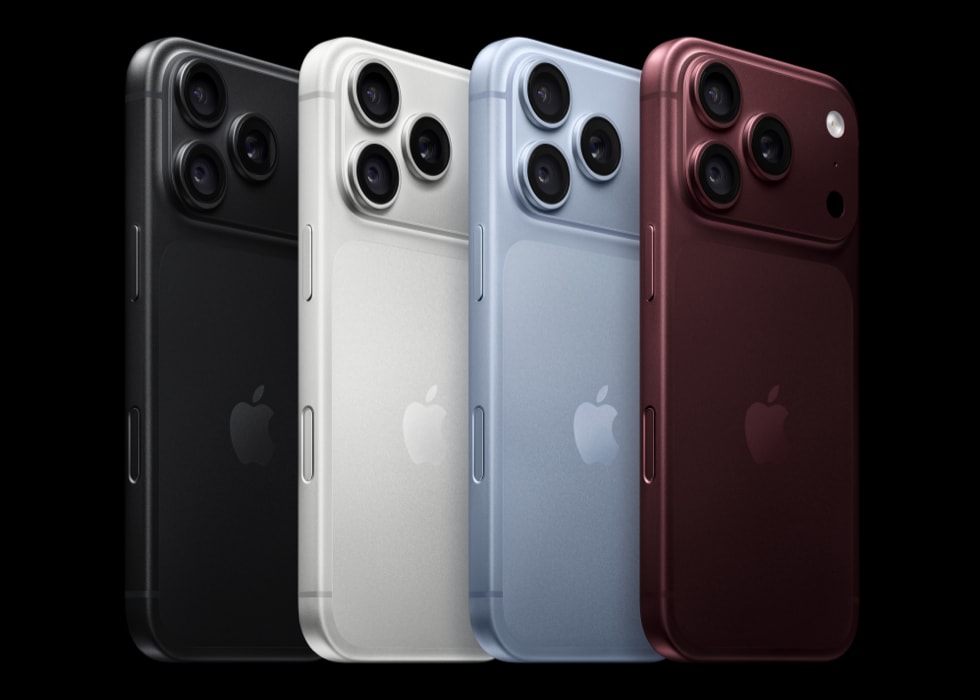
The iPhone 18 Pro prices are confirmed, because the phones are on sale. The iPhone 18 Pro starts at $1,199 in the United States, and the iPhone 18 Pro Max starts at $1,299. Both come in 256GB, 512GB, 1TB, and 2TB storage capacities, and in four finishes: black, silver, glacier, and burgundy. The 2TB option is available on both Pro models for the first time.
The standard iPhone 18 has no confirmed price, because Apple has not announced the phone. One report suggests it could start at $899 or more, but that is a report, not Apple pricing, and launch pricing can change with component costs, tariffs, and Apple’s own decisions. The useful way to think about price is in trade offs, not in exact numbers. If the standard model launches near $899 in spring 2027, it would sit $300 below the Pro, and the saving would cost you the Pro chip, the Pro cooling, and the Pro camera. If it launches higher, the gap narrows and the Pro looks better value. Either way, the iPhone 17 will likely get cheaper once the standard iPhone 18 arrives, either through Apple’s own price cut or through carrier and retailer discounts. That is the normal pattern, and it is a real reason to wait if price matters more than having the newest chip today.
Storage is the hidden price factor. The iPhone 18 Pro starts at 256GB, and that matters for gaming, because AAA ports take up far more space than casual mobile games. Two or three AAA ports can fill a small phone fast, so check the storage before you buy, and remember that you cannot add storage to an iPhone later. The 512GB model costs more up front and saves you from deleting games later.
Common Mistakes With iPhone 18 Gaming
The most common mistake is confusing the two iPhone 18 models. The iPhone 18 Pro and Pro Max launched on September 18, 2026, and are on sale now. The standard iPhone 18 has not been announced, and reporting points to spring 2027. If you catch yourself saying “the iPhone 18 costs $1,199,” stop and add the word Pro. If you catch yourself saying “the iPhone 18 has 9GB of RAM,” stop, because that is a report about an unannounced phone, and reports disagree. That one word, Pro, is the difference between a useful plan and a disappointment.
The second mistake is waiting for a phone that does not fix your actual problem. If your problem is a cracked screen, a dying battery, or a phone that crashes daily, the standard iPhone 18 in spring 2027 will not fix it any sooner than the iPhone 18 Pro will today. Buy the phone that fixes the problem you have today.
The third mistake is judging the iPhone 18 Pro by its peak benchmark score. A benchmark finishes in seconds. A gaming session stretches past an hour. Your experience depends on how much of that peak speed is still there after thirty minutes of play, once the A20 Pro has warmed up. The stress test numbers in this guide are the ones that matter: 79.4 percent on the Pro Max, 62.8 percent on the smaller Pro. Peak scores are for headlines.
The fourth mistake is maxing every graphics setting on day one and expecting console quality. Phone ports render at lower internal resolutions and lean on upscaling, and the high preset on a phone is not high settings on a PC. High settings with a stable frame rate look and feel better than maximum settings with stutter, on the iPhone 18 Pro exactly as on the iPhone 17.
The fifth mistake is ignoring heat warnings. If the phone shows a temperature warning, stop playing, unplug it, and let it cool. Playing through a warning does not make you tough. It ages the battery and risks a shutdown mid-match. A vapor chamber three times larger does not make a phone immune to heat. It only gives you more headroom before the warning appears.
Frequently Asked Questions
Is the iPhone 18 good for gaming?
Yes. The iPhone 18 Pro and Pro Max are on sale now, and the A20 Pro chip inside them is confirmed, not a rumor. Apple claims up to 40 percent faster graphics than the A19 Pro, and Tom’s Guide measured about 33 percent higher frame rates in its ray tracing graphics test, with the Pro Max holding 79.4 percent of its peak performance in a long stress test. The smaller Pro holds its speed less well, at 62.8 percent, so long-session players should pick the Pro Max. Apple’s iPhone 18 Pro press release lists the A20 Pro chip, the vapor chamber, the battery claims, and the prices exactly as Apple states them. The iPhone 17 remains a good gaming phone too, and it costs $400 less than the Pro, but the Pro is the better gaming phone by a clear margin.
Should I buy the iPhone 17 or wait for the iPhone 18?
The iPhone 18 Pro is already out, so the question is no longer about waiting for it. Buy the iPhone 18 Pro now if you want the fastest iPhone for gaming and your budget reaches $1,199, and buy the Pro Max if you play AAA ports for hours. Buy the iPhone 17 if your budget is closer to $799, because it runs the same game catalog and already has the 120Hz display that matters most. Wait only if you want the cheaper standard iPhone 18, which is reported for spring 2027 and has no confirmed price or specifications yet. A discounted iPhone 17 today is a certain saving. A reported spring 2027 price is not.
When will the iPhone 18 come out?
The iPhone 18 Pro and iPhone 18 Pro Max are already out. Apple announced them on September 9, 2026, opened pre-orders on September 12, and put them on sale on Friday, September 18, 2026. The standard iPhone 18 has not been announced, and reporting points to a spring 2027 launch, most likely March or April, alongside the iPhone 18e and a second generation iPhone Air. That timing is a report, not a confirmed date. The MacRumors iPhone 18 Pro announcement covers the launch dates and prices, and its iPhone 18 roundup tracks the spring 2027 reports as they develop. Do not plan a purchase, a trade in, or a contract renewal around a reported month.
Will gaming on the iPhone 18 hurt its battery health?
Heavy gaming will wear the battery over time, on the iPhone 18 Pro exactly as on every iPhone before it, but less than most players fear. A lithium cell ages fastest when it is hot and full for long stretches, and a heavy session does both at once. Brief sessions barely touch the battery. Daily marathon sessions at maximum settings while the phone sits on a fast charger will wear the battery faster. Cap charging at 80 percent in iOS, charge first and play unplugged, and keep the phone out of hot cars and strong sun, and the wear stays in the normal range. If the battery health screen still reads around 90 percent after a year of regular play, that is normal wear. The larger battery and the more efficient 2nm chip in the iPhone 18 Pro should slow that wear compared with the iPhone 17, but the habits matter more than the hardware.
Can the iPhone 18 run Resident Evil 4 at 60 FPS?
No published test has measured Resident Evil 4 frame rates on the iPhone 18 Pro yet, so there is no verified answer today. What the evidence does say is encouraging: on the iPhone 17 Pro, reported test figures put Resident Evil 4 at around 52 frames per second on average, with up to 60 frames per second possible through config tweaks, and the iPhone 18 Pro scored about 33 percent higher in Tom’s Guide’s ray tracing graphics test. That suggests the game could hold closer to a locked 60 frames per second, but it is a reasonable expectation based on benchmark gains, not a measured result. Treat 60 frames per second as a hope to test when per-game measurements appear, not as a specification to quote today.
Will the iPhone 18 overheat when gaming?
It will get warm, and that is normal, but the confirmed cooling system is much stronger than the one in the iPhone 17 Pro. The iPhone 18 Pro models have a redesigned vapor chamber with three times the surface area, and Apple claims up to 40 percent better sustained performance. Independent testing shows the benefit clearly on the Pro Max, which held 79.4 percent of its peak performance in a 20-loop stress test, up from 65.2 percent on the iPhone 17 Pro Max. The smaller Pro improved only slightly, from 61.1 percent to 62.8 percent, so it will still warm up and slow down in very long sessions. Warmth during heavy gaming is expected. A temperature warning, or heat while the phone sits idle, is not. If the phone shows a temperature warning, stop playing, unplug it, and let it cool.
What chip will the iPhone 18 have?
The iPhone 18 Pro and Pro Max have the A20 Pro chip, confirmed by Apple. It is built on a 2nm process, with a 6-core CPU, a 7-core GPU, and a Dual 16-core Neural Engine with 32 cores total. Apple claims up to 20 percent faster CPU performance, up to 40 percent faster graphics, and up to 40 percent better sustained performance than the A19 Pro, and independent testing backs up the graphics claim. The standard iPhone 18 is a different story: it has not been announced, and reporting describes a scaled down A20 chip, with some reports pointing to a 6-core CPU and a 5-core GPU. Reports also disagree on its RAM, with one analyst saying 9GB and another saying 12GB. None of that is confirmed, and this guide reports the disagreement instead of picking a side.
Key Takeaways
- The iPhone 18 Pro and iPhone 18 Pro Max launched on September 9, 2026, and have been on sale since September 18, 2026. They are real phones with confirmed specifications, not rumors.
- The A20 Pro chip is confirmed: 2nm process, 6-core CPU, 7-core GPU, Dual 16-core Neural Engine, 50 percent more memory bandwidth, and up to 40 percent faster graphics than the A19 Pro.
- Independent testing measured about 33 percent higher frame rates in the ray tracing graphics test, and a sustained performance score of 79.4 percent on the Pro Max, but only 62.8 percent on the smaller Pro.
- The vapor chamber is confirmed at three times the surface area of the iPhone 17 Pro, and Apple claims up to 40 percent better sustained performance.
- The standard iPhone 18 has not been announced. Reporting points to spring 2027, a scaled down A20 chip, and a price around $899, but reports disagree on RAM and nothing is confirmed.
- The iPhone 18 Pro starts at $1,199 and the Pro Max at $1,299, in 256GB, 512GB, 1TB, and 2TB storage.
- Buy the iPhone 18 Pro Max now if you play AAA ports for hours. Buy the iPhone 17 if your budget is closer to $799. Wait for spring 2027 only if you want the cheaper standard model.
- Switch on Game Mode in iOS 27, hold the frame rate at 60 for long sessions, run heavy games on High instead of Maximum, play with a controller and low latency audio, and judge the cooling after forty minutes of play, not after five.
Conclusion
iPhone 18 gaming is now a story about a phone you can buy today, and the facts are better than the rumors were. The A20 Pro chip is confirmed on a 2nm process with a 7-core GPU and 50 percent more memory bandwidth. The vapor chamber is confirmed at three times the size of the one in the iPhone 17 Pro. Independent testers have measured the results: about 33 percent faster graphics in the ray tracing benchmark, and a Pro Max that holds 79.4 percent of its peak speed through a long stress test, where the iPhone 17 Pro Max held only 65.2 percent. The smaller Pro is the honest exception, with barely any sustained performance gain, and that is exactly the kind of detail that decides which size to buy.
The other half of the story is still unwritten. The standard iPhone 18 has not been announced, and everything about it, the spring 2027 launch window, the scaled down A20 chip, the disputed RAM, and the reported price near $899, is a report that could change. If your budget is closer to $800, the choice today is the iPhone 17, which runs the same games, or patience until spring 2027. If your budget reaches $1,199, the iPhone 18 Pro is on sale now, and the Pro Max is the best iPhone for long gaming sessions that testers have measured.
Either way, the test that matters has not changed. Play for an hour, watch the frame rate, and feel the phone. That test, not a benchmark score or a launch slide, is what decides whether a phone earns its place as a gaming phone. And whichever iPhone you hold, run heavy games on High instead of Maximum, hold the frame rate at 60 for long sessions, slip the phone out of its case, and charge first, then play unplugged. Do that, and your phone will play better, today and when the next one arrives.

Leave a Reply